File under “why didn’t I think of that”:
Electric piano dining table, a.k.a. “the piano table.”
via thecoolist.com
photos Joost van Brug



File under “why didn’t I think of that”:
Electric piano dining table, a.k.a. “the piano table.”
via thecoolist.com
photos Joost van Brug
Storytelling. Tugging at heartstrings.
And promoting coffee.
Well done, Tim Hortons.
March 8 update: Well, someone deleted the commercial from YouTube. Here’s a link to the spot on Tim Hortons’s Facebook page:

In celebration of the launch on Facebook of the ILoveYou page,
and in memory of my brother whose life ended too early 10 years ago today:
#ILoveYou

I love this – GreenMarker page markers (self-adhesive like Post-it Notes) shaped like blades of grass! If you find out how we can order them in North America (they’re made in Japan by yuruliku design), please tell me.
Welcome to round 2 of @Pepsi’s #PepsiRefresh grant program. Another round of ideas can be nominated (as of last night) at refresheverything.com for consideration for Pepsi's February allocation of funds.
In addition, the public is invited to submit votes at Pepsi’s Refresh site for ideas nominated during last month’s round 1.
Today’s New York Times piece describes promotional aspects of and agency involvement with Pepsi’s campaign (and makes no mention of round 1 in January).
As I’ve cautioned, on Beth Kanter’s blog and Twitter (http://twitter.com/mollyblock/status/6989248844, http://twitter.com/mollyblock/status/6989140125), among other places, I remain wary of Chase’s and other companies' cause-related campaigns in which grantmakers cede decision-making control to the public (and the public’s networks).
I understand and appreciate the idea of virality – participating and spreading word to our friends; however, something still doesn’t sit well with me regarding the crowdsourced contest concept: Should five-figure (and above) gifts be awarded to organizations that are deemed “winners” via popularity contests, rather than vetted/evaluated/selected by knowledgeable grantmaking staff on their organizational merits and capacity to implement proposed projects?
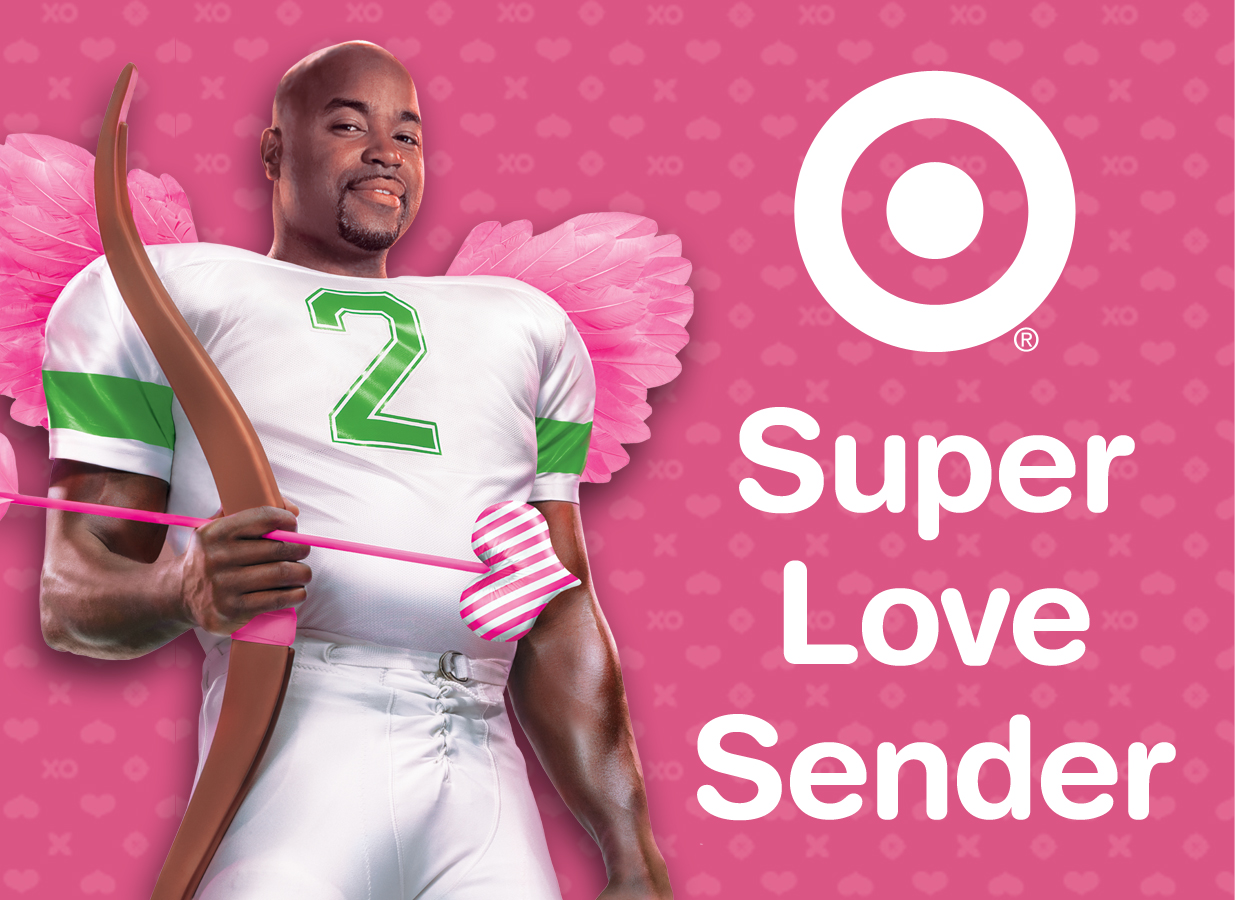
Target launched today the latest example of a philanthropic campaign in which consumers can interact online with a brand. Target’s to-be-crowdsourced giving contest, titled Super Love Sender, in celebration of Valentine’s Day and the Super Bowl, is built around Facebook’s platform.
How it works: Through Target’s Facebook page, you can create and send customized Valentine’s Day, football-inspired video cards. Every time a video card is sent, the charity of your choosing (from a group of five organizations pre-selected by Target) receives a vote. The percentage of votes will correlate with the amount of funds allocated to each organization.
Following the campaign’s close on February 14, $1 million will be donated to the five non-profit organizations, which include The Salvation Army and United Way, in support of their education programs.
Target’s e-card campaign is the company’s second cause-marketing initiative to be conducted online during the past 12 months. The campaign, plus Target’s May 2009 $3-million Bullseye campaign, and Chase’s $5-million December Community Giving and Pepsi’s in-progress $20-million Refresh campaigns, are seeding the contest playing field. Online charitable-giving contests will be an interesting game to watch in the coming months as other teams enter the arena to compete for votes and, hopefully, a lineup of new, enthusiastic brand ambassadors.

Friday iFun video, thanks to @peeweeherman:
“Nice tray …. Thanks, Steve Jobs gave it to me.”
#iPad photo: http://www.apple.com/ipad/gallery/